 EN
EN Aluminium Flood Barriers 101: Types, Benefits & How They Work
Floods can be sudden in nature and can cause huge losses to residential as well as commercial property. Places like entrances, doors, garages, and loading zones can be flooded easily. This is one reason why many property owners seek effective means to minimize the effects of flooding. An aluminium flood barrier will help to minimize the effects of flood water by serving as a protective barrier.
The barriers are usually constructed using robust aluminium alloy due to the fact that they are durable yet not too heavy. They may be either temporary, permanent, or modular in nature depending on the type of barrier. Getting to know how such barriers operate, their different types, and application areas will enable homeowners to make sound choices.
What Are Aluminum Flood Barriers?
These systems protect a certain area from water by blocking, delaying, or deflecting water. Aluminium flood barriers are commonly erected at the point where water is expected to enter.
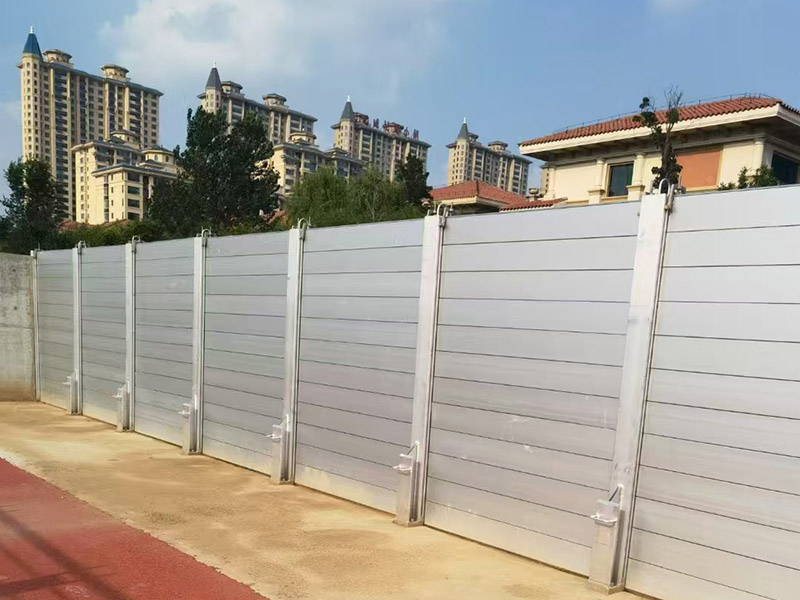
Most flood barrier systems comprise aluminium sheets held up by posts, frames, channels, and watertight seals. Once erected correctly, they create a barrier between the flood water outside and the area that needs to be protected.
There are many benefits of using aluminium; one such benefit is the high strength-to-weight ratio of aluminium. An aluminium alloyed flood barrier wall would give good structural strength without becoming cumbersome.
These flood barrier systems can be erected at residences, commercial premises, warehouses, industries, garages, loading zones, and other areas that are threatened by floodwater.
How Does an Aluminum Flood Barrier Work?
The fundamental principle behind its working is quite simple. It creates a physical blockage in the way of the floodwaters, which are not allowed to flow through.
Creating a Physical Barrier
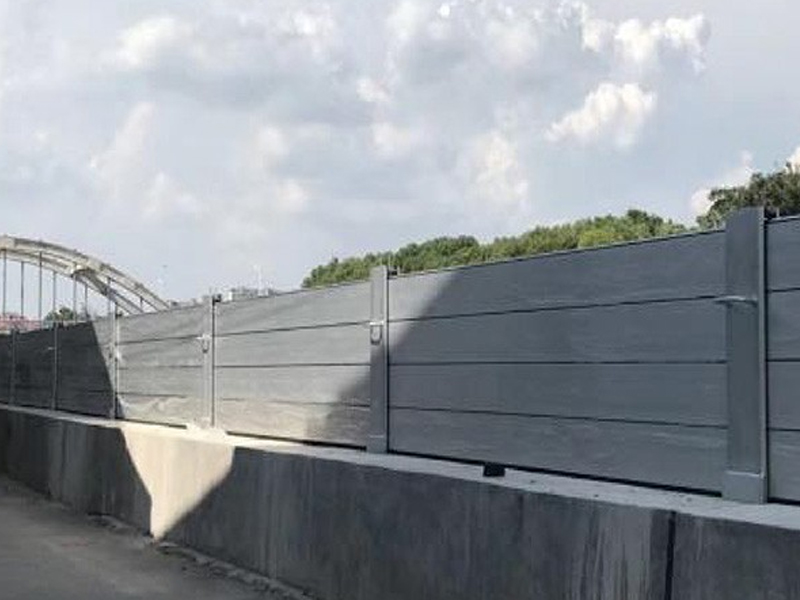
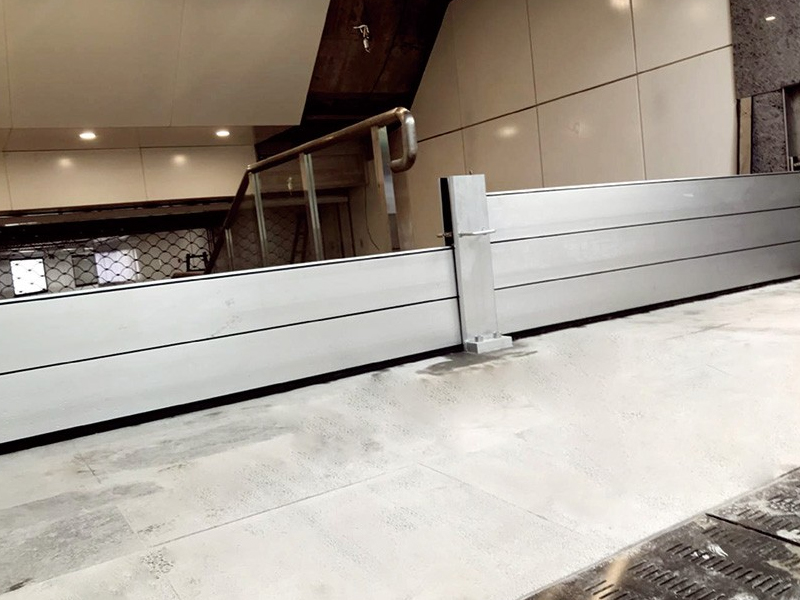
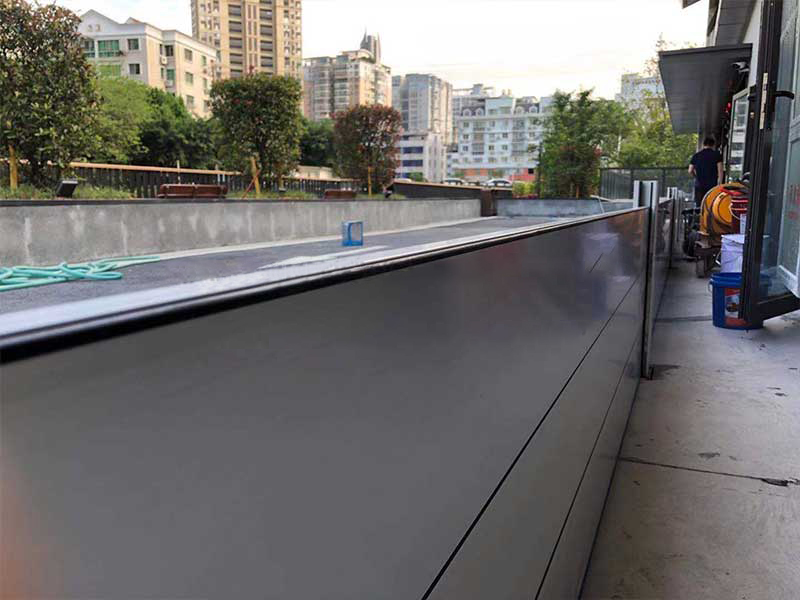
A lot of systems use upright pillars and side channels which are firmly attached to the structure that surrounds the opening. Then aluminium panels are set up between these blocks. Depending on the system used, many panels can be arranged one above another to make the necessary height of protection.
The support system becomes crucial since the floodwater exerts force on the barrier. The support structure should be appropriately anchored and engineered for the kind of environment it will encounter.
Using Seals to Reduce Water Entry
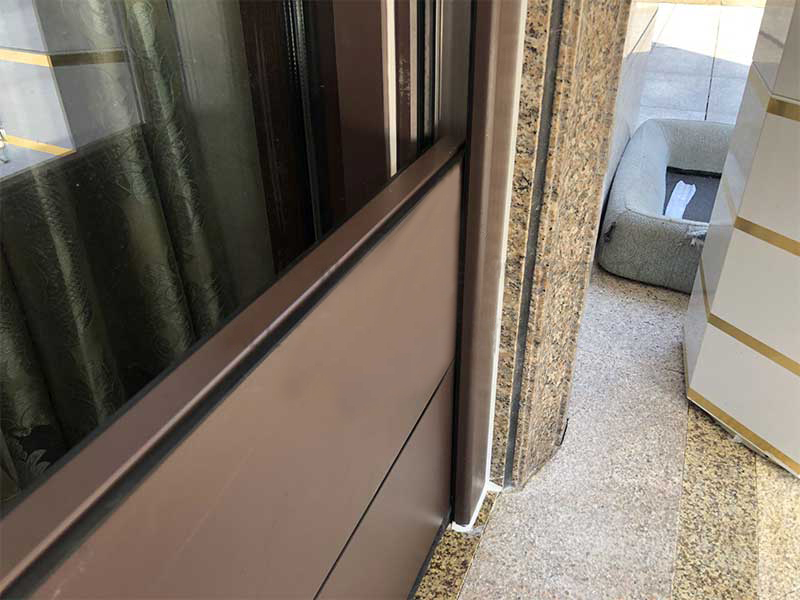
However, simply covering openings with aluminium plates does not guarantee effective shielding from water. Gaps that may exist between the plates, posts, and the ground will allow the water to penetrate through the installation.
To increase the water resistance, the aluminum flood protection system employs seals, which are fabricated from rubber or any other material that can resist water penetration.
It is worth noting that the condition of the ground is also important since any gaps between the seals and the ground may make it harder to establish the seal.
Different Types of Aluminum Flood Barriers
There are several types of aluminium flood barriers available; the appropriate type depends on the particular situation, as well as the nature and frequency of potential floods.
- Removable Aluminum Flood Barriers
As the name suggests, such barriers are intended to be erected in advance of any expected flood and dismantled once the danger has passed. Such barriers can be helpful where an entry point needs to be left free of obstruction under regular circumstances.
For example, the entrance point of the organization may be frequently used throughout the day, and at the same time it might be prone to flood risk in case of heavy rainfall. This can be taken care of using a removable barrier.
The panels can usually be kept in an appropriate place after disassembly.
- Modular Flood Barriers
Individual panels are used in modular barriers which can be easily fitted between support posts. This type of arrangement makes it flexible to arrange the system according to different widths and protection levels.
The modular type of system is effective where there are many openings or different dimensions of barriers needed on a property.
- Permanent Flood Protection Walls
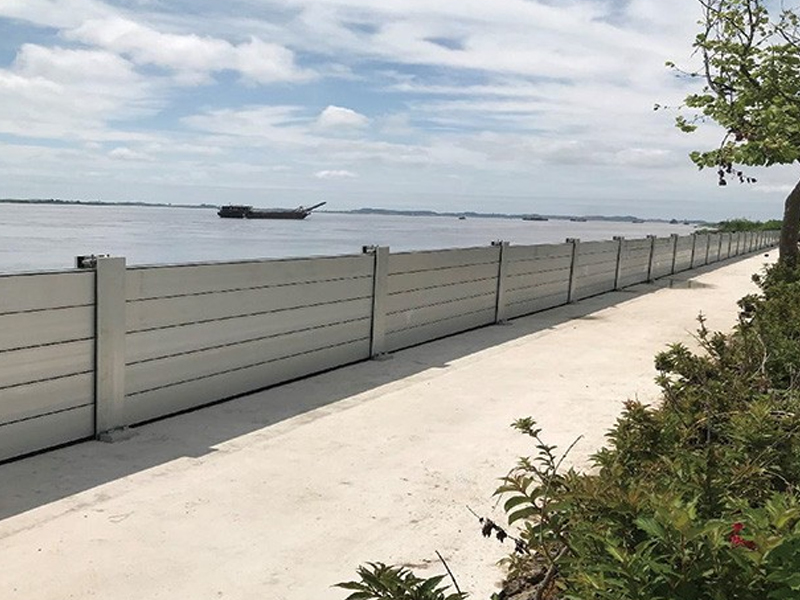
There are some properties that have to deal with floods regularly, sometimes in a major way, and need a solution for that. In such cases, an aluminum alloy flood control wall can be integrated into the design of the flood protection system.
In addition, the permanent solution stays in place rather than having it installed after getting an alert of a flood. It could be used in commercial, industrial, and infrastructure areas.
- Door and Garage Flood Barriers
Flood water can enter through doors and garages. Special flood water barriers can be installed at the openings without necessarily constructing walls all around the structure.
Garage and loading bay barriers may need some extra thought due to the higher water pressure that may develop through bigger openings.
Benefits of Aluminum Flood Barriers
1. Lightweight and Yet Durable
The reason why aluminium has been chosen in flood defence technology is because of its relatively lightweight nature when compared with other types of construction material.
On the other hand, the right type of alloyed aluminium could also offer adequate strength. It will all depend on the type of alloy, construction, thickness, the frame, and installation process.
2. Excellent Corrosion Resistance
Flood barriers come into contact with water by nature, which means that materials become an issue. There is also an oxide coating on aluminum that acts as a barrier to corrosion.
Still, the entire system should be maintained. There could be wear and tear of seals, fastenings, joints, coatings, and connections.
3. Reusable Design
A lot of aluminium designs are reusable. Rather than just being thrown away after one flood situation, panels can be taken down, inspected, cleaned, and stored to be used again in the future.
This is especially helpful for places that have seasons where flooding occurs regularly or where there is heavy rain.
4. Versatile Installation
It is possible to design an aluminum flood wall system that works around different property installations. The system can be designed to protect individual entrances or to cater for larger areas.
This flexibility means that the installation of flood protection will be based on the specific requirements of a building and not a standard design.
Cleaner Alternative to Temporary Measures
Flood protection measures like sandbags could entail substantial manpower for their setup and removal. Moreover, it may require considerable storage space.
An aluminum barrier is a more systematic approach. After the framework has been put into place, panels can be placed when required.
What Should You Consider Before Choosing a Barrier?
Choosing a barrier against floods is much more complicated than just selecting a suitable material. It is necessary to determine the level of the threat posed to the specific property.
- Expected Flood Depth
It is probably one of the most crucial parameters. The height of the barrier must match the expected depth of the water.
It is recommended to take into consideration not only regular flooding but also infrequent and dangerous situations. The time the property will stay exposed to water and water movement can also play a role.
- Size of the Opening
The size of the opening will affect the necessary construction of the wall. There is a difference between what is required to protect against flooding for a normal door entry and that of a vehicle access way.
Different sizes may necessitate different structural considerations.
- Ground Surface
The barrier should form a proper seal for the surface beneath it. Surface conditions such as uneven concrete, damage, openings, or other issues can impact the effectiveness of the system.
As such, the ground conditions should be assessed prior to the installation of the barrier system.
- Installation and Storage
Portable systems have to be simple enough to put together properly when flood defense is needed. Also, they require dry and easily accessible places of storage when not in use.
Installation practice ahead of any emergencies can reveal problems such as incomplete sets, broken seals, or improper installation methods.
Aluminum Flood Barriers vs. Sandbags
Sandbags continue to be a widely recognized form of temporary flood prevention measure. They might be practical during emergencies and in places where unusual shapes predominate. Creating an efficient barrier from sandbags, however, can take quite some time and effort.
The use of aluminium barriers provides a more organized way. The panels and structures that are part of such barriers are produced in certain dimensions and can often be reused each time floods occur.
That does not necessarily mean that one type of barrier will always work for everyone. Sandbags can be used in emergency cases, whereas a professionally engineered barrier might be preferred at a property where floods are a consistent problem.
Conclusion
Aluminium flood barriers provide an easy and reusable way to minimize water intrusion into buildings through their weak points. This kind of flood protection system is lightweight, strong, corrosion-resistant, and can be installed at residences, commercial structures, storage units, and manufacturing facilities.
Aluminum flood barriers may be installed specifically for a door or any other point, whereas an aluminum flood protection system will cover a much wider area. There are both permanent and portable solutions that can be selected according to personal preferences.
Nevertheless, effective protection from flooding should imply the proper selection of the flood defense, installation process, maintenance, and limitations. In case of combining aluminum flood protection with proper drainage, structure protection, and emergency measures, it becomes an integral element of flood preparedness.
FAQs
1. What are aluminium flood barriers?
Aluminium flood barriers consist of systems made to minimize the entry of floodwaters into an area. These barriers utilize components such as aluminium sheets, posts, channels, and seals.
2. Can I install an aluminium flood barrier system in big openings?
Yes, there are such systems that can be used for large openings including garages, loading docks and industrial entrances.
3. Can aluminium flood barriers provide a total solution to flooding?
Absolutely no barrier will give total security against any flood at all. This is because the efficiency of the barrier will depend on many things, including depth of water, pressure, installation process, the kind of land, debris, and whether there are other points of water entry.